
The Holocaust Began in Appalachia.
Tracing the legislative blueprint of American eugenics and the human cost of state-sponsored erasure.
The Holocaust began in Appalachia.
That’s not hyperbole.
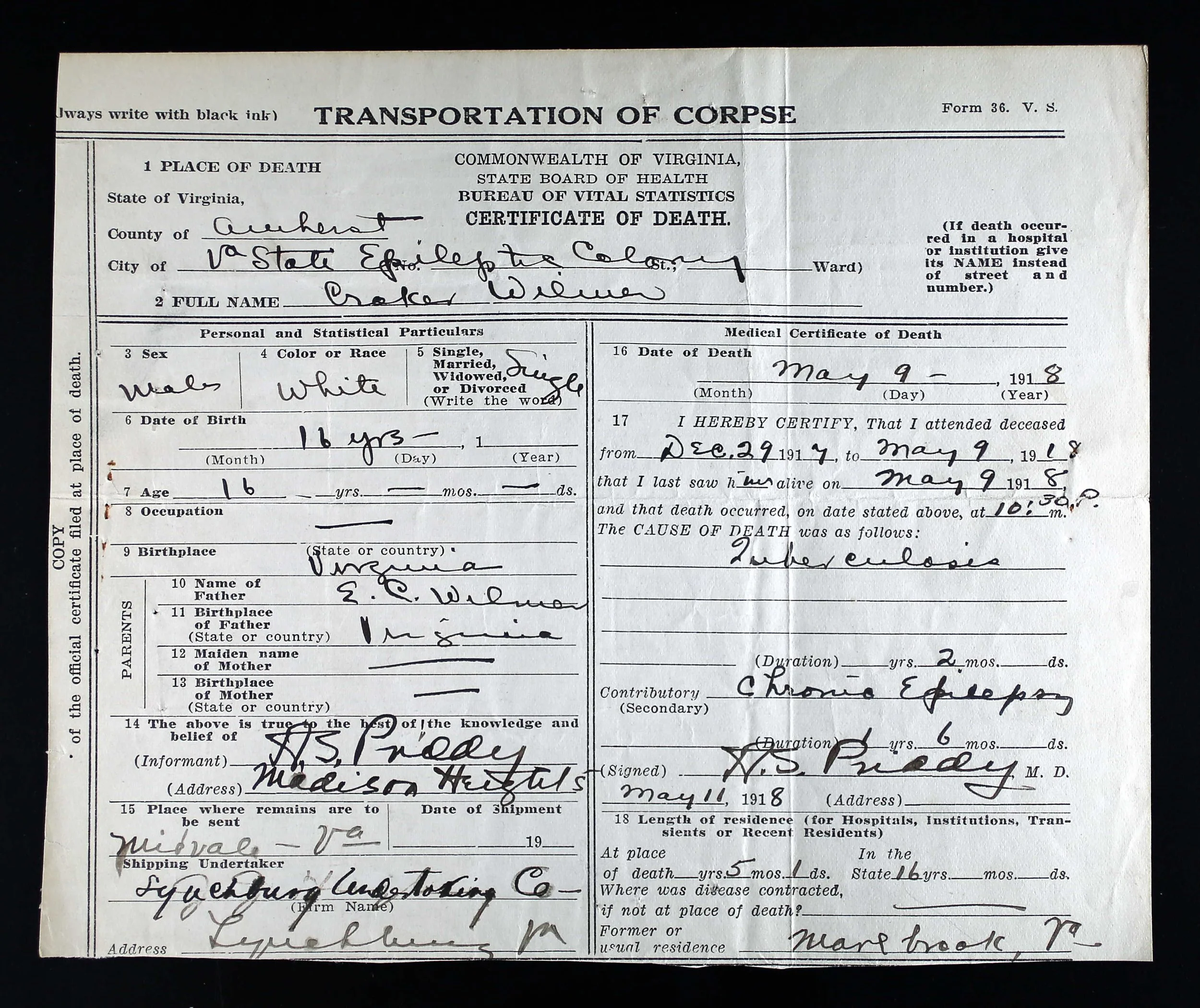
In 1918, my great-uncle Croker died at 16 years old in the Virginia Colony for Epileptics and the Feebleminded. His death certificate lists chronic epilepsy and tuberculosis—the exact diagnoses targeted by a state-mandated program of 'cleansing.' These ideas didn't stay in Virginia; they became the legal blueprint for systemic eradication across the globe.

From Special Operations
to the Archives
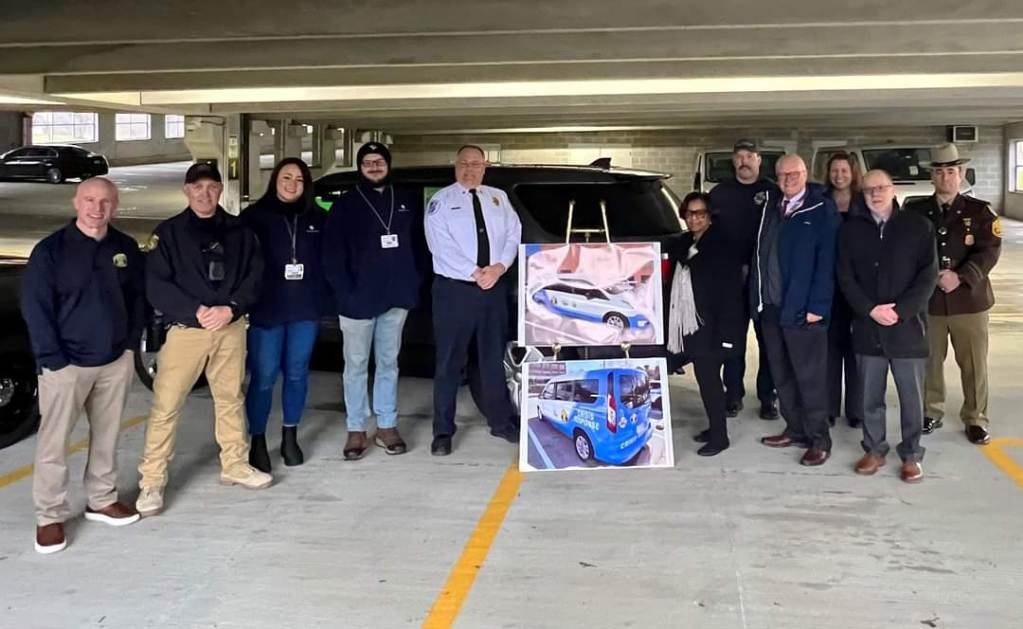
Collaborating with the Maryland Governor’s staff, State Health Directors, and Public Safety Leadership during the 2023 Executive Tour of the Frederick Crisis Response Team.
EXECUTIVE BRIEFINGS | LEGISLATIVE ADVOCACY | HISTORICAL RESEARCH
My life and career have been spent at the intersection of human crisis and systemic policy. Whether serving on the Special Operations Division's Crisis Response Team or briefing state leadership and cabinet-level officials on behavioral health infrastructure, I have witnessed the mechanisms that either sustain or fail a community. I bring this same analytical rigor to the archives, uncovering how the legal machinery of the past continues to define our modern architecture of belonging.
Key Programs + Lectures
The Holocaust Began in Appalachia
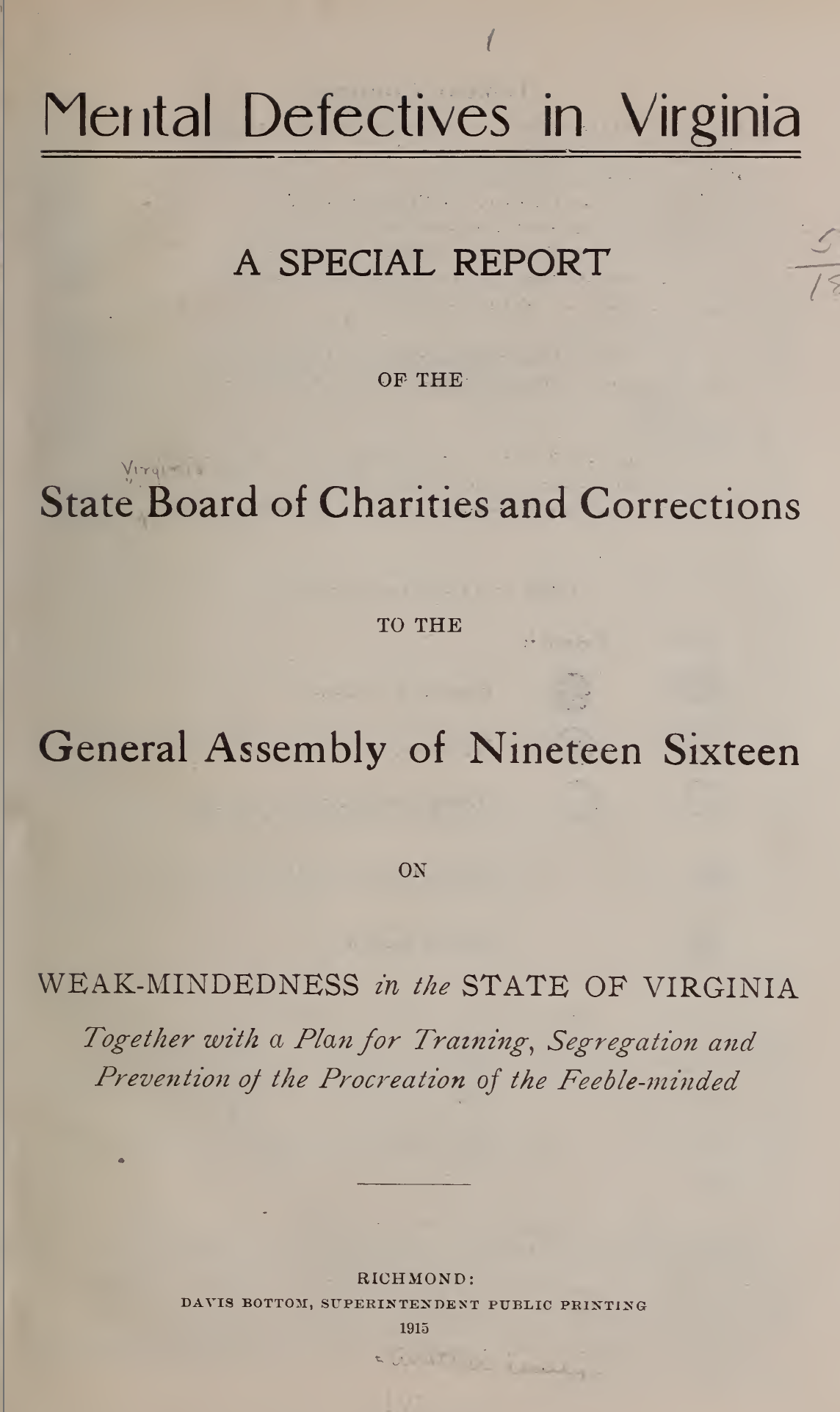
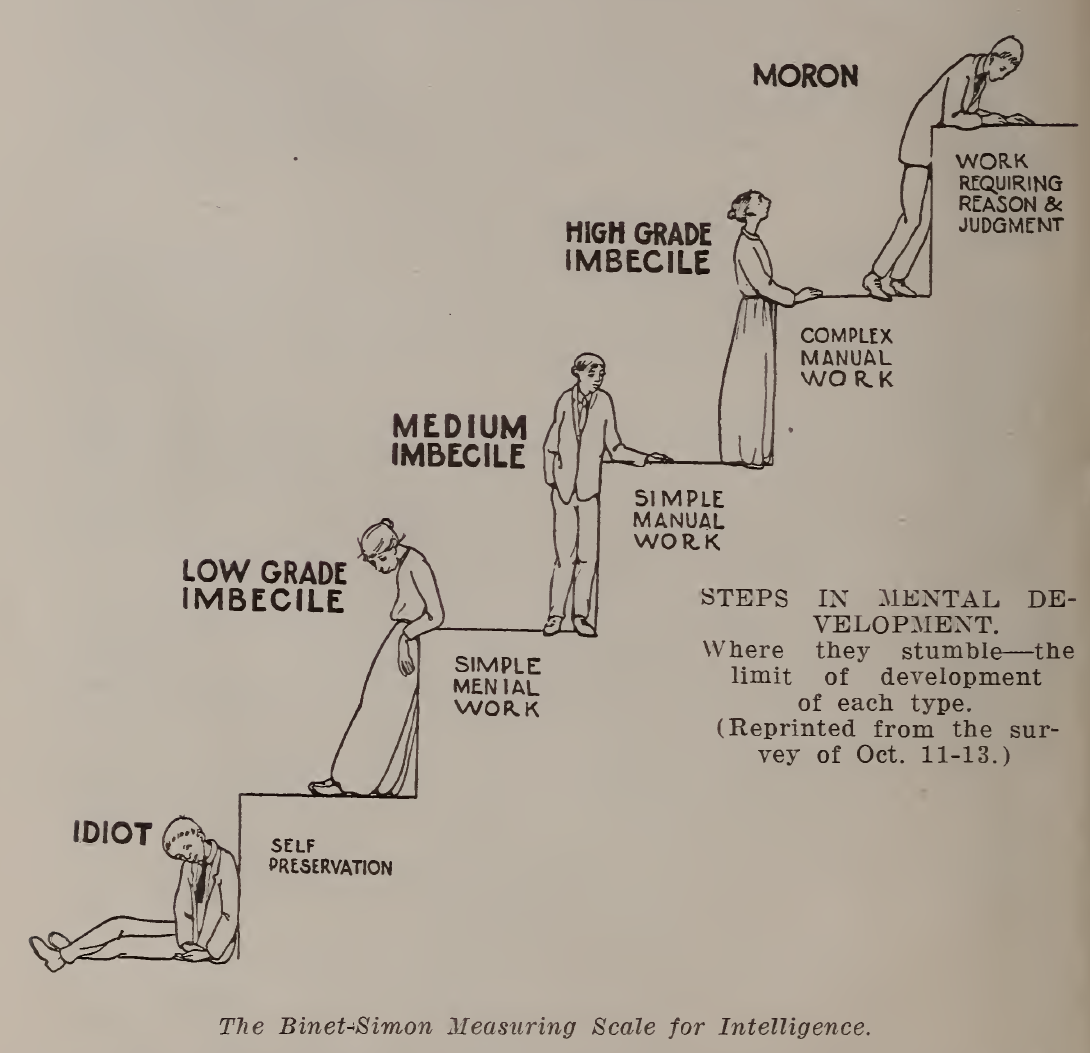
A visceral examination of the 1924 Act to Define Feeblemindedness and how Virginia’s "search for the unfit" became a global blueprint for sterilization and eradication.
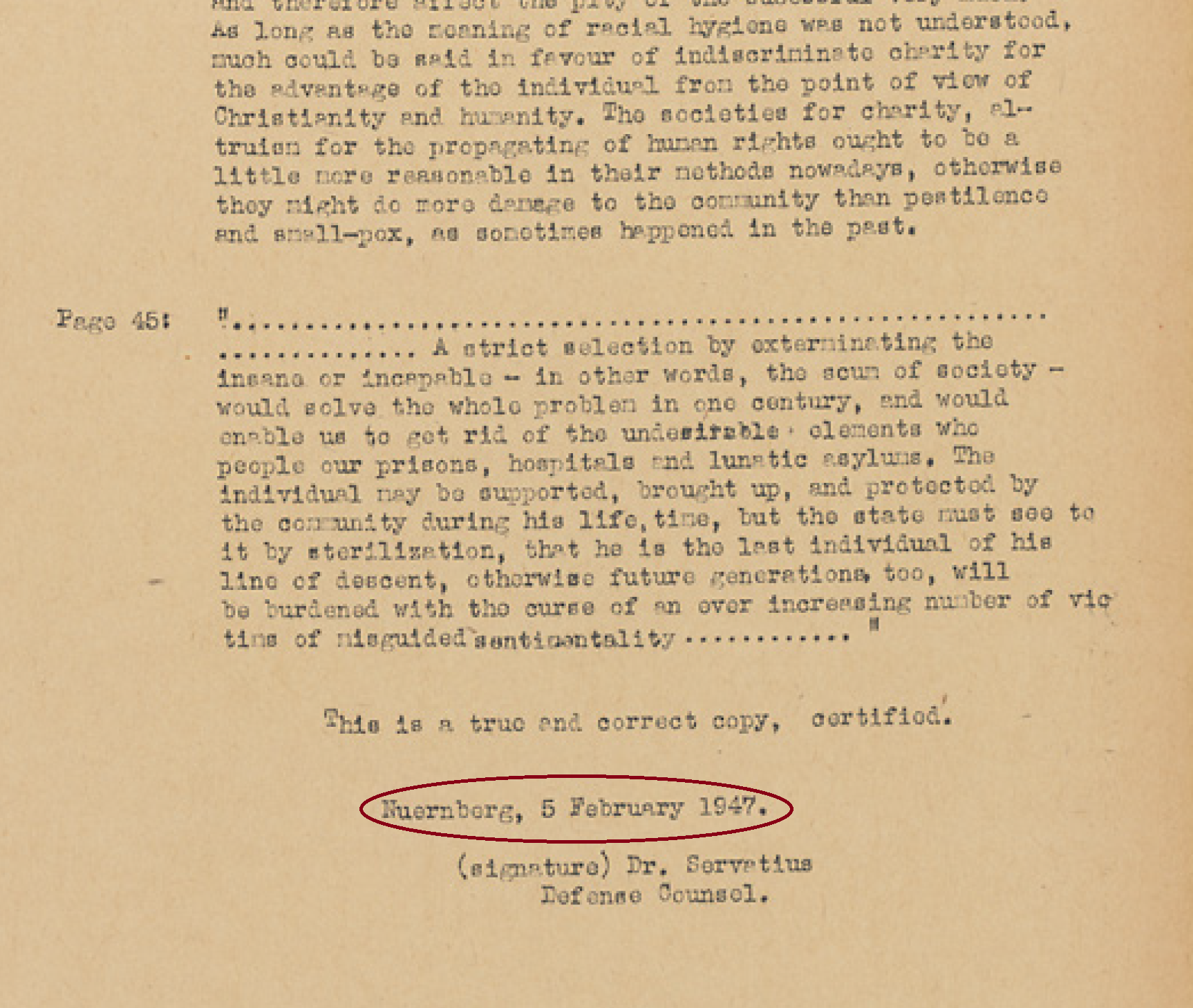
The Architecture of Exclusion
Analyzing the legal and medical machinery used by the state to define human value, and the modern legacy of these institutional failures.
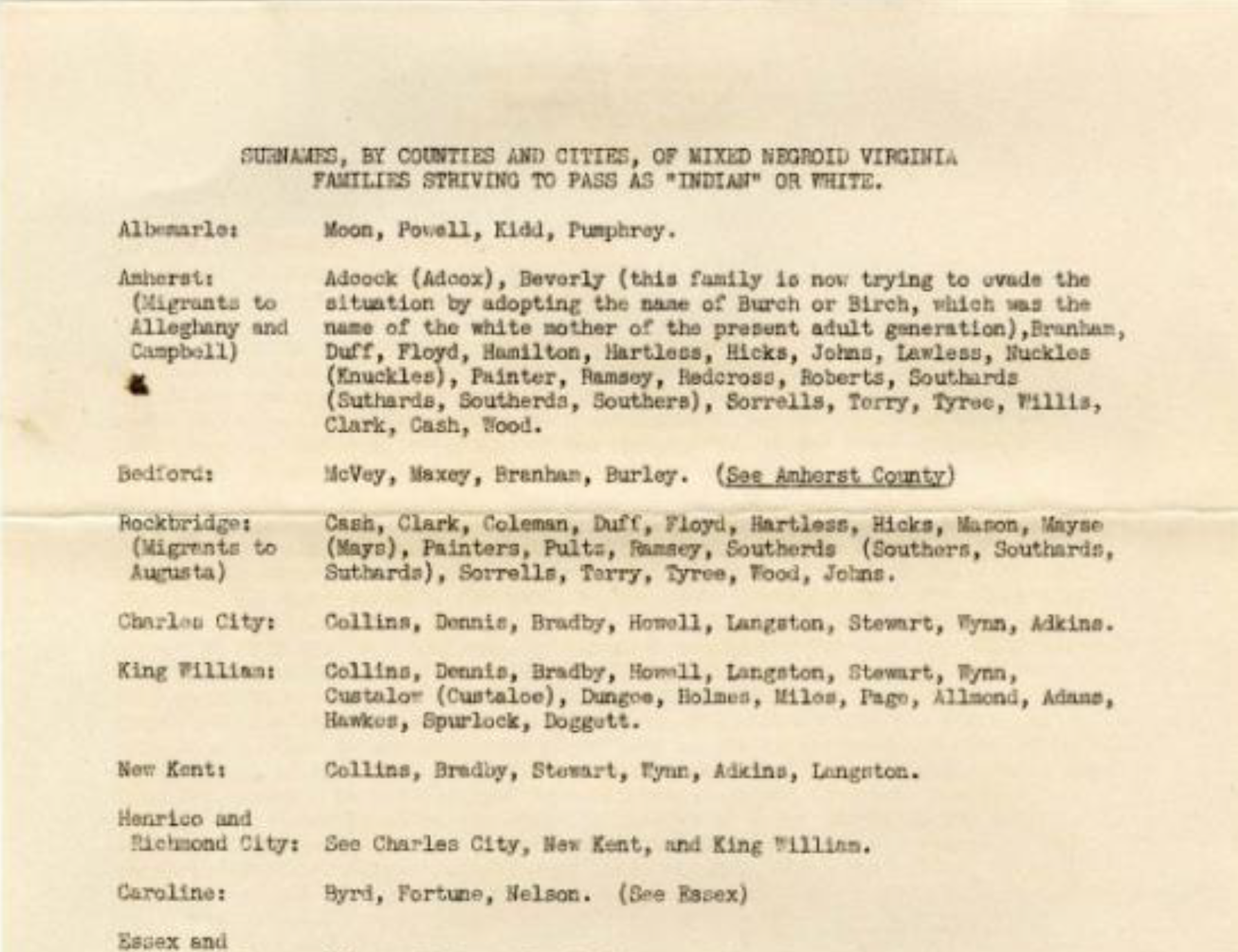
Our Connective Tissue
A personal and historical journey into the archives, tracing the intersection of family trauma, state-sponsored erasure, and the path toward reclaiming a lineage.
Bring the Archive to Your Stage.
Now accepting invitations for the 2026-2027 season. Whether for academic institutions or community-led programs, I offer a space to confront the past, honor the dispossessed, and reclaim the stories that have been erased from our collective memory.